If weeknight dinners constantly feel like a compromise between speed and satisfaction, this Panda Express chow mein recipe is exactly what you need.
It’s designed to give you that familiar takeout-style comfort without leaving your kitchen, making it the perfect quick dinner solution or crowd-pleasing side for homemade Asian-inspired meals.
The special feature here is accuracy: this recipe is carefully balanced to recreate the exact flavor and texture you crave, delivering the emotional relief of knowing dinner is handled—and handled well.
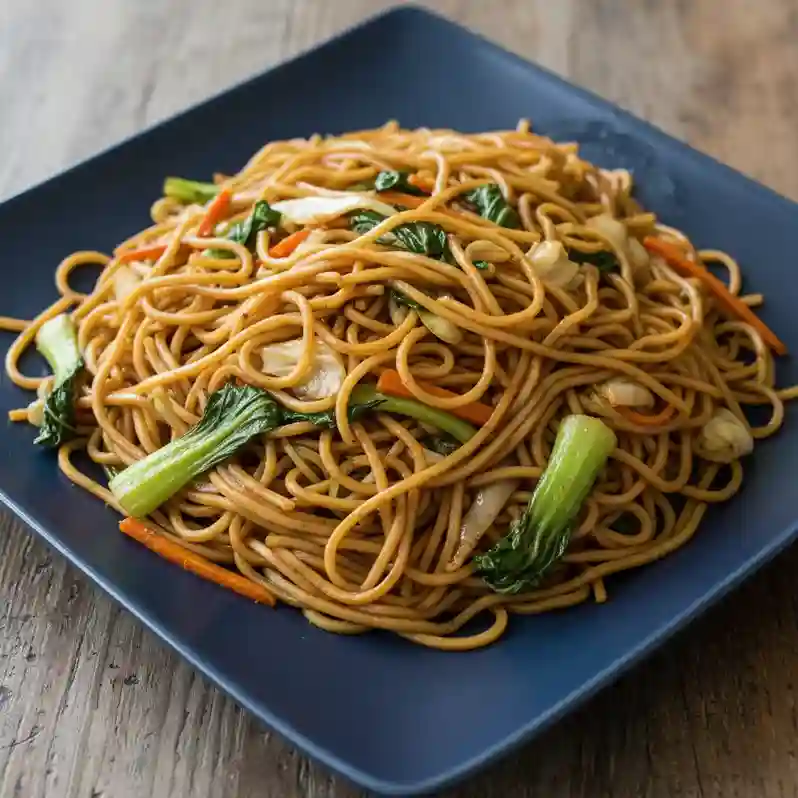
From the first bite, you get savory, slightly sweet soy-based flavors wrapped around tender noodles with just the right chew. Crisp cabbage and celery add freshness and light crunch, while onions melt into the sauce for depth and aroma.
The star ingredients are the chow mein noodles themselves and the perfectly seasoned sauce that coats every strand without drowning it. It’s comforting, familiar, and deeply satisfying in a way only classic chow mein can be.
This dish comes together fast, uses simple pantry ingredients, and works beautifully as a main or side. You can add protein if you like, adjust the vegetables to what’s in your fridge, and still end up with a dish that tastes restaurant-worthy.
In under 30 minutes, you’ll have a homemade version that feels just as indulgent—this might just become the recipe you turn to every time takeout cravings hit.
Table of Contents
Panda Express Chow Mein Recipe
Ingredients
- 16 oz chow mein noodles or fresh egg noodles
- 2 tablespoons neutral oil
- 1 cup yellow onion, thinly sliced
- 1 cup green cabbage, finely shredded
- 1/2 cup celery, thinly sliced on the bias
- 2 teaspoons minced garlic
- 1/4 cup low-sodium soy sauce
- 1 tablespoon oyster-style sauce
- 1 teaspoon granulated sugar
- 1/2 teaspoon ground white pepper
- 1/4 cup water
- 1 teaspoon cornstarch
Instructions
- Bring a large pot of water to a rolling boil and cook the chow mein noodles according to package directions until just tender. Drain immediately and rinse briefly with cold water to stop the cooking. Toss lightly with a few drops of oil to prevent sticking and set aside.
- In a small bowl, whisk together the soy sauce, oyster-style sauce, sugar, white pepper, water, and cornstarch until completely smooth. Set the sauce aside so it’s ready to go.
- Heat a large wok or wide skillet over medium-high heat. Add the oil and let it heat until shimmering but not smoking.
- Add the sliced onions and stir-fry for about 1 minute, just until they begin to soften and turn translucent.
- Stir in the garlic and cook for 10–15 seconds, keeping it moving so it becomes fragrant without browning.
- Add the cabbage and celery to the pan. Stir-fry for 1–2 minutes, allowing the vegetables to soften slightly while still keeping a bit of crunch.
- Add the cooked noodles to the wok, spreading them out gently over the vegetables.
- Pour the prepared sauce evenly over the noodles. Using tongs or two spatulas, toss everything together continuously for 2–3 minutes until the sauce thickens and coats every strand of noodle.
- Taste and adjust seasoning if needed, then remove from heat immediately to avoid overcooking.
What Makes This Panda Express Chow Mein Taste Authentic?
The key to an authentic Panda Express chow mein recipe is balance. You are not aiming for heavy sauce or overpowering seasoning. Instead, the flavor comes from lightly seasoned noodles, gently cooked vegetables, and high heat cooking.
The noodles should be soft but still slightly chewy, never mushy. The vegetables stay tender-crisp so they add freshness instead of disappearing into the dish.
When everything is tossed together quickly over high heat, the sauce coats each noodle evenly, giving you that familiar takeout-style flavor without being greasy or salty.
What Kind Of Noodles Should You Use For Panda Express Chow Mein?
Choosing the right noodles is one of the most important steps. Panda Express chow mein recipe uses wheat-based egg noodles, not rice noodles. You can use:
- Fresh chow mein noodles if you find them, which give the closest texture.
- Dried chow mein or lo mein noodles, which still work very well if cooked properly.
The most important thing is to cook the noodles just until tender, then rinse them with cold water. This stops overcooking and keeps them from sticking together later.
Why Are My Chow Mein Noodles Too Soft Or Mushy?
If your noodles turn out soft or mushy, it usually comes down to one of two things: overcooking or too much liquid. Here is how you can avoid that problem:
- Noodle cooking time: boil them only until just tender, not fully soft.
- Rinsing: rinse with cold water right after draining to stop the cooking.
- Sauce control: use just enough sauce to coat the noodles, not drown them.
When you toss everything together in the pan, keep the heat high and cook quickly so the noodles stay springy.
Can You Add Protein To This Panda Express Chow Mein?
Yes, you can easily turn this panda express chow mein recipe into a full meal by adding protein. The noodles are neutral in flavor, so they pair well with many options. Before adding vegetables, you can cook:
- Chicken: thinly sliced and cooked until just done.
- Beef: sliced very thin against the grain for tenderness.
- Shrimp: cooked quickly until pink and firm.
- Tofu: pan-seared until golden on all sides.
Once the protein is cooked, remove it from the pan, make the chow mein as usual, then add the protein back at the end.
What Vegetables Are Traditionally Used In Panda Express Chow Mein?
This recipe keeps vegetables simple, just like the restaurant version. The focus is on noodles first, vegetables second. The classic vegetable mix includes:
- Green cabbage: adds mild sweetness and slight crunch.
- Celery: gives a fresh, clean bite.
- Onion: melts into the sauce and adds depth.
You can add extras like carrots or bell peppers, but keeping it simple helps the dish taste more authentic.
How Do You Prevent Chow Mein From Tasting Dry?
Dry chow mein usually means the sauce thickened too fast or was not evenly distributed. To fix this:
- Sauce mixing: whisk the sauce well so the cornstarch dissolves fully.
- Heat control: keep the pan hot but not smoking.
- Tossing: keep tossing continuously so the sauce coats every noodle.
If it still feels dry, you can add a small splash of water and toss again for a few seconds.
How Long Does Panda Express Chow Mein Last In The Refrigerator?
Yes, you can store leftover panda express chow mein recipe safely if you cool it properly. Here is how to store it:
- Cooling: let the chow mein cool to room temperature before storing.
- Container: place it in an airtight container.
- Refrigerator: store for up to 3 to 4 days.
When reheating, use a pan over medium heat with a small splash of water to bring the noodles back to life.
Can You Freeze Panda Express Chow Mein?
Freezing is possible, but it is not ideal for best texture. Noodles tend to soften after freezing and thawing. If you still want to freeze it:
- Freezer container: use a freezer-safe airtight container.
- Freezing time: store for up to 2 months.
- Thawing: thaw overnight in the refrigerator before reheating.
For best results, make chow mein fresh whenever possible.
What Is The Best Way To Reheat Panda Express Chow Mein?
Reheating the right way helps keep the noodles from drying out or turning gummy. The best method is:
- Stovetop: heat in a pan over medium heat.
- Moisture: add a small splash of water.
- Tossing: stir gently until heated through.
Microwaving works in a pinch, but stir halfway through and cover loosely to trap steam.
Is Panda Express Chow Mein A Main Dish Or A Side Dish?
This dish works both ways. You can serve it as a side with stir-fries, or enjoy it as a main meal on its own. If you want it to feel like a full meal:
- Add protein.
- Increase the vegetable portion.
- Serve it in a generous bowl rather than a small plate.
It is flexible, filling, and easy to adapt to your needs.

Panda Express Chow Mein Recipe
Ingredients
Method
- Bring a large pot of water to a rolling boil and cook the chow mein noodles according to package directions until just tender. Drain immediately and rinse briefly with cold water to stop the cooking. Toss lightly with a few drops of oil to prevent sticking and set aside.
- In a small bowl, whisk together the soy sauce, oyster-style sauce, sugar, white pepper, water, and cornstarch until completely smooth. Set the sauce aside so it’s ready to go.
- Heat a large wok or wide skillet over medium-high heat. Add the oil and let it heat until shimmering but not smoking.
- Add the sliced onions and stir-fry for about 1 minute, just until they begin to soften and turn translucent.
- Stir in the garlic and cook for 10–15 seconds, keeping it moving so it becomes fragrant without browning.
- Add the cabbage and celery to the pan. Stir-fry for 1–2 minutes, allowing the vegetables to soften slightly while still keeping a bit of crunch.
- Add the cooked noodles to the wok, spreading them out gently over the vegetables.
- Pour the prepared sauce evenly over the noodles. Using tongs or two spatulas, toss everything together continuously for 2–3 minutes until the sauce thickens and coats every strand of noodle.
- Taste and adjust seasoning if needed, then remove from heat immediately to avoid overcooking.
You May Also Like To Check Out These Recipes
- Authentic Thai Red Curry Shrimp
- Authentic Cacio E Pepe
- Cabbage Roll Dumplings
- Pan-Fried Cabbage Dumplings
- Sautéed Bok Choy
- Golumpki Soup
- Honey Sesame Chicken
- Beef Ragu
- Protein Bagels With Greek Yogurt
- Chicken Parmesan
- Buffalo Chicken Dip
- Crockpot Butter Chicken
- Marry Me Chicken
- Creamy Cajun Chicken Pasta
- Chicken Fettuccine Alfredo
- Stuffed Bell Peppers With Ground Beef
- Sour Cream Coffee Cake
- Chocolate Lava Cake
- Watergate Cake
- White Texas Sheet Cake
- No Bake Cheesecake Without Cream Cheese
- Funnel Cake
- Polvorones (Mexican Wedding Cookies)
- Cinco De Mayo Cake
- Cinco De Mayo Cake Pops
- Pan De Muerto
- Traditional Mexican Capirotada
- Chocoflan – The Impossible Cake
- Fruit Tart With Cream Filling
- Crispy Sopapilla With Honey Drizzle
- Brownie And Chocolate Chip Cookies (Brookies)
- Authentic Golden Churros
- Cookie Dough Dip
- Chocolate Chia Seed Pudding With Berries
- Authentic Mexican Rice
- Mexican Street Corn Dip
- Baseball Cake Pops
- Dulce De Leche Cake
- Baked Smashed Potatoes
- Almond Croissant
- Poached Eggs With Croutons
- French Toast
- Oreo Cake Pops
- Sesame Crusted Tuna Steaks With Ginger-Soy Sauce
- Traditional Banh Mi
- Banana Bars With Cream Cheese Frosting
- French Crème Caramel
- Oven Baked Sweet Potato Chips
- Best Indian Mango Chicken Curry
- Viral Tiktok Cucumber Salad
- Lemon Buttercream Frosting
- Peach Ice Cream
- Chocolate Cream Cheese Frosting
- Strawberry Cream Cheese Frosting
- Funeral Potatoes With Hashbrowns
- Chinese Special Fried Rice Restaurant Style
- Buffalo Chicken Bowl
- Lemon Chicken Romano
- Halal Korean Beef And Rice And Egg