Potato candy has always felt quietly surprising to me. The first time I watched it being made, I didn’t fully understand how a plain potato could turn into neat, sweet slices with a creamy swirl inside.
There was no rush in the process—just careful hands, patience, and a respect for doing things properly.
That calm, steady method stayed with me, and it’s the reason I still enjoy making this candy the same way today.
This recipe is rooted in that slow, intentional approach. The potato is cooked until it softens fully, mashed until smooth, then gently transformed into a dough that rolls clean and holds its shape.
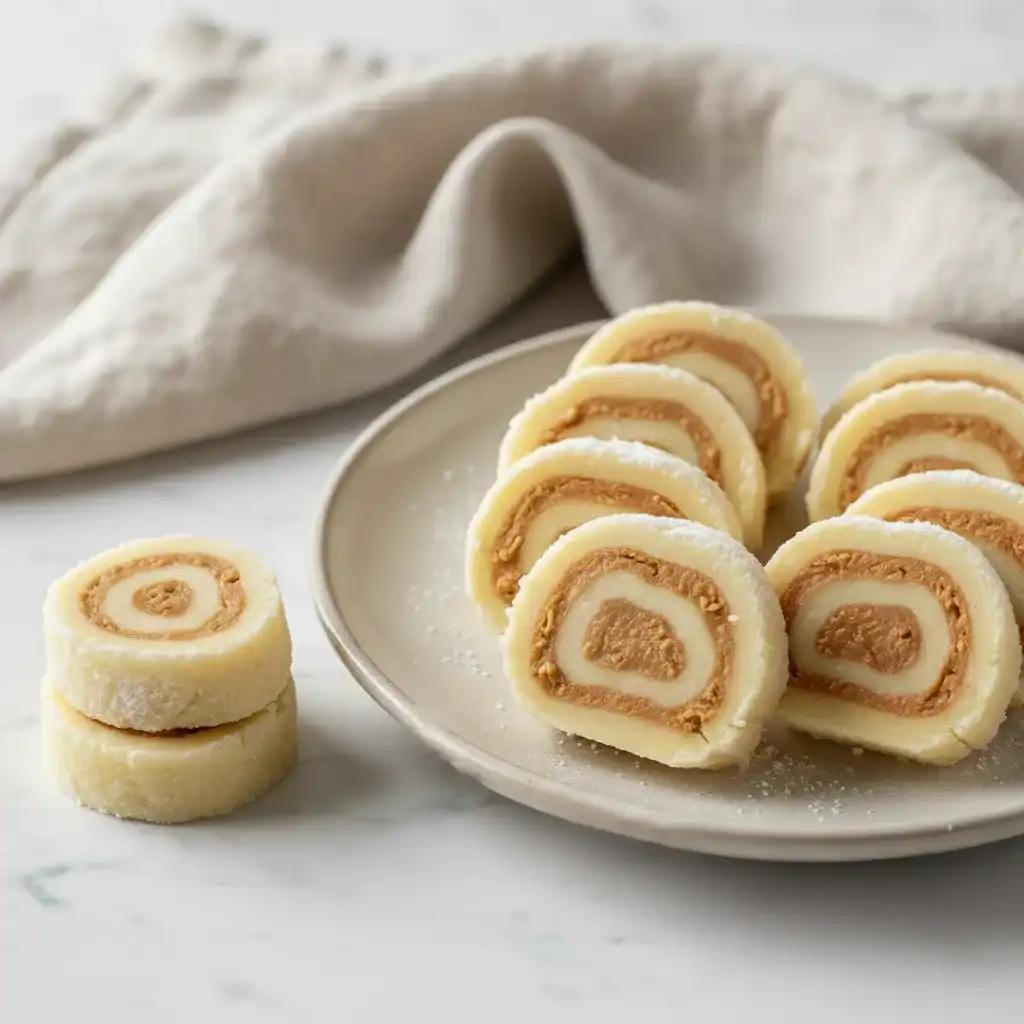
The peanut butter layer sits right where it should, creating a clear spiral that looks just as good sliced thick or thin.
Every step matters, and every detail plays a role in how the candy feels when you bite into it.
Potato candy isn’t loud or showy. It’s quiet, nostalgic, and deeply satisfying in a way that doesn’t need explanation.
When made with care, it delivers soft sweetness, clean edges, and a finish that feels complete. This is the recipe I trust when I want that result every single time.
Table of Contents
Potato Candy Recipe
Ingredients
- 1 medium russet potato (about 120–130 g raw weight)
- 4 to 5 cups powdered sugar, sifted (you may not use it all)
- 3/4 cup smooth peanut butter (not natural, not oily)
- A very small pinch of salt (optional, but recommended)
Instructions
- Peel the potato completely and cut it into evenly sized chunks. Place in a saucepan, cover fully with cold water, and bring to a gentle boil. Cook until the potato is very soft and breaks easily when pressed with a fork.
- Drain thoroughly. Let the potato sit in the colander for 2–3 minutes so excess steam escapes. Water left in the potato will make the candy sticky and loose.
- Mash the potato until perfectly smooth. Do not add butter, milk, or any liquid. Measure exactly 1/2 cup of mashed potato and discard any extra. Let it cool completely to room temperature.
- Transfer the cooled mashed potato to a mixing bowl. Add 2 cups of powdered sugar and the pinch of salt. Mix with a spoon until absorbed.
- Continue adding powdered sugar, 1/2 cup at a time, mixing well after each addition. Once the mixture becomes too thick to stir, switch to kneading with clean hands.
- Keep adding powdered sugar just until the dough is smooth, pliable, and no longer sticky. It should feel soft like play dough and hold its shape without cracking.
- Lightly dust your work surface with powdered sugar. Place the dough on it and gently pat it into a rectangle.
- Roll the dough evenly into a thin rectangle about 1/4 inch thick. Aim for straight edges and even thickness to ensure a clean spiral when sliced.
- Spread the peanut butter evenly over the entire surface, leaving about 1/2 inch uncovered along one long edge. Use a spatula to create a smooth, uniform layer—not too thick, or the roll will split.
- Starting from the long edge with peanut butter, carefully roll the dough into a tight log. Roll slowly and evenly to keep the swirl neat and centered.
- Once rolled, gently press along the seam to seal. If needed, smooth the surface lightly with powdered sugar to remove any stickiness.
- Wrap the log in parchment paper and chill for 30–45 minutes. This step firms the candy and gives you clean, sharp slices.
- Remove from the refrigerator and slice into 1/2-inch rounds using a sharp knife. Wipe the knife clean between cuts for the best swirl definition.
What Is Potato Candy And Why Does It Work?
Potato candy surprises many people because a vegetable turns into a smooth, sweet dough without any flour.
The secret lies in how cooked potato behaves when mixed with sugar. Once the potato is fully soft and mashed smooth, it acts like a natural binder.
Powdered sugar absorbs the moisture and transforms the mash into a rollable dough.
- Cooked Potato Structure: When boiled properly, potato starch swells and becomes sticky, which helps hold the candy together without cracking.
- Sugar Absorption: Powdered sugar pulls moisture from the potato slowly, creating a firm yet soft dough instead of a wet paste.
- Neutral Base: Potato has almost no strong taste once sweetened, allowing the peanut butter swirl to stand out clearly.
This balance is why exact measurements and patience matter so much in this recipe.
Why Is My Potato Candy Dough Sticky Or Too Soft?
Sticky dough is the most common issue and usually comes from extra moisture.
Potatoes hold water differently depending on size, age, and how they’re cooked. Even small changes can affect the final texture.
- Too Much Moisture In Potato: If the potato is not drained well or mashed while steaming hot, trapped water makes the dough loose. Letting the mash cool fully helps excess moisture escape.
- Not Enough Powdered Sugar: Sugar must be added gradually until the dough stops sticking to your hands. Stopping early leaves the mixture soft and hard to roll.
- Warm Dough: Warm dough feels stickier than cool dough. If the kitchen is warm, chilling the dough briefly can help firm it up.
The dough should feel smooth, slightly cool, and easy to lift without tearing.
How Thin Should You Roll Potato Candy Dough?
Rolling thickness controls how clean the swirl looks and how the candy feels when eaten. A good thickness keeps the candy tender while holding its shape.
- Ideal Thickness: About 1/4 inch gives a clean spiral without breaking the outer layer.
- Too Thick: Thick dough creates bulky slices and a heavy bite.
- Too Thin: Very thin dough can tear while rolling or leak peanut butter.
Even pressure while rolling is more important than speed.
Why Does The Peanut Butter Swirl Sometimes Look Messy?
A neat swirl depends on both peanut butter texture and spreading method. If the filling shifts or oozes, the spiral loses definition.
- Correct Peanut Butter Texture: Smooth, stable peanut butter spreads evenly and stays in place. Oily or runny peanut butter slides during rolling.
- Even Layering: A thin, uniform layer prevents thick pockets that push the dough outward.
- Leaving A Clean Edge: Keeping one long edge free of filling helps seal the roll properly.
Slow, controlled rolling gives the most balanced swirl.
Can You Change The Filling In Potato Candy?
Yes, but changes must respect the soft structure of the dough. Fillings that are too wet or gritty can damage the roll.
- Chocolate Spread: Works only if thick and not warm, or it will smear.
- Nut-Free Butter Spreads: Must be smooth and firm, similar to peanut butter texture.
- Dry Add-Ins: Fine cocoa powder or powdered nuts can be mixed into the filling, not the dough.
Any filling should spread easily but stay in place once rolled.
Why Do Some Potato Candy Slices Crack Or Break?
Cracking usually happens during slicing, not rolling. This means the candy was either too dry or cut incorrectly.
- Too Much Sugar: Excess powdered sugar stiffens the dough, making it brittle when sliced.
- Cold And Hard Log: Over-chilling makes the roll firm and prone to cracking.
- Dull Knife: A sharp knife cuts cleanly without pressing down and flattening the candy.
Gentle slicing and wiping the knife between cuts helps keep edges smooth.
How Long Should Potato Candy Rest Before Slicing?
Resting allows the roll to settle and firm evenly. Skipping this step often leads to uneven slices.
- Minimum Rest Time: 30 minutes in the refrigerator helps the candy hold shape.
- Longer Rest: Up to 1 hour creates sharper edges without drying the dough.
- Room Temperature Before Cutting: Let the roll sit for a few minutes if it feels too hard.
Balanced resting prevents smearing and cracking.
How Should You Store Potato Candy To Keep It Fresh?
Proper storage keeps the candy soft and prevents drying or sweating. Because it contains real potato, storage matters more than most candies.
- Short-Term Storage: Keep slices in an airtight container in the refrigerator for up to 5 days.
- Layering Method: Place parchment paper between layers to stop sticking.
- Avoid Open Air: Exposure causes the sugar to harden and the surface to crust.
Always seal the container tightly after removing slices.
Can Potato Candy Be Frozen?
Freezing is possible, but texture can change slightly. The sugar structure reacts differently after thawing.
- Best Way To Freeze: Freeze the full log wrapped tightly, then slice after thawing.
- Thawing Method: Let it thaw slowly in the refrigerator, not at room temperature.
- Texture After Freezing: Slight softness may occur, but flavor stays intact.
Freezing works best for short periods, not long-term storage.
Why Does Potato Candy Taste Better The Next Day?
Resting allows flavors to settle and the dough to stabilize. Freshly made candy is soft, but overnight rest improves balance.
- Flavor Blending: Sugar and peanut butter meld into the dough more evenly.
- Texture Improvement: The outer layer firms slightly while staying tender.
- Cleaner Slices: The candy holds shape better after resting.
This quiet resting time often makes the final result more satisfying.

Potato Candy
Ingredients
Method
- Peel the potato completely and cut it into evenly sized chunks. Place in a saucepan, cover fully with cold water, and bring to a gentle boil. Cook until the potato is very soft and breaks easily when pressed with a fork.
- Drain thoroughly. Let the potato sit in the colander for 2–3 minutes so excess steam escapes. Water left in the potato will make the candy sticky and loose.
- Mash the potato until perfectly smooth. Do not add butter, milk, or any liquid. Measure exactly 1/2 cup of mashed potato and discard any extra. Let it cool completely to room temperature.
- Transfer the cooled mashed potato to a mixing bowl. Add 2 cups of powdered sugar and the pinch of salt. Mix with a spoon until absorbed.
- Continue adding powdered sugar, 1/2 cup at a time, mixing well after each addition. Once the mixture becomes too thick to stir, switch to kneading with clean hands.
- Keep adding powdered sugar just until the dough is smooth, pliable, and no longer sticky. It should feel soft like play dough and hold its shape without cracking.
- Lightly dust your work surface with powdered sugar. Place the dough on it and gently pat it into a rectangle.
- Roll the dough evenly into a thin rectangle about 1/4 inch thick. Aim for straight edges and even thickness to ensure a clean spiral when sliced.
- Spread the peanut butter evenly over the entire surface, leaving about 1/2 inch uncovered along one long edge. Use a spatula to create a smooth, uniform layer—not too thick, or the roll will split.
- Starting from the long edge with peanut butter, carefully roll the dough into a tight log. Roll slowly and evenly to keep the swirl neat and centered.
- Once rolled, gently press along the seam to seal. If needed, smooth the surface lightly with powdered sugar to remove any stickiness.
- Wrap the log in parchment paper and chill for 30–45 minutes. This step firms the candy and gives you clean, sharp slices.
- Remove from the refrigerator and slice into 1/2-inch rounds using a sharp knife. Wipe the knife clean between cuts for the best swirl definition.
You May Also Like To Check Out These Articles
- 55 Creative Christmas Cake Ideas To Spark Holiday Cheer
- 50 Easy Christmas Cupcakes You’ll Want To Bake All Season
- 40 Christmas Cheesecake Recipes For A Joyful Holiday Season
- 50 Time-Saving Christmas Cookie Recipes Everyone Will Devour
- 115 Yummy Christmas Treats For The Perfect Celebration
- 115 Christmas Desserts To Make Your Holidays Sweet
- 165 Mouthwatering Christmas Dinner Recipes To Try This Holiday Season
- 55 Delicious Christmas Appetizer Ideas
- 160 Easy And Festive Christmas Potluck Ideas
- 55 Best Christmas Snacks For Party
- 20 Best Non Alcoholic Christmas Drinks
- 72 Joyful Christmas Baking Ideas For The Festive Season
- 25 Easy Christmas Candy Recipes
- 40 Best Christmas Side Dishes
- 10 Simple Tips For A Cozy Christmas Coffee Bar
- Eggnog Cheesecake
- Christmas Cake Pops
- Christmas Tree Cake Pops
- Christmas Cookie Cake
- Christmas Tree Cake Cheesecake
- Cranberry Christmas Cake
- Grinch Christmas Cake
- Red Velvet Cheesecake Cake
- Gingerbread Cake
- Pistachio And White Chocolate Winter Wonderland Cake
- Oreo Cheesecake Cupcakes
- Black Bottom Cupcakes
- Oreo Cupcakes
- Gingerbread Cupcakes
- Red Velvet Cupcakes
- Lemon Cupcakes
- Cranberry White Chocolate Cookies
- Santa Cookies
- Melted Snowman Cookies
- Cranberry Orange Cookies
- Linzer Cookies With Almond Flour
- Grinch Sugar Cookies
- Ooey Gooey Butter Cookies
- Cookies And Cream Cookies
- Raspberry Thumbprint Cookies
- Christmas Tree Rice Crispy Treats
- Starbucks Cranberry Bliss Bars
- Christmas Oreo Balls
- Cranberry Pecan Cheese Ball
- Mexican Champurrado
- Christmas Tree Pizza
- Christmas Chocolate Peppermint Bark
- Peanut Butter Rice Krispie Treats
- Sausage Hash Brown Casserole
- Christmas Cream Cheese Mints