Do your breakfast options feel a little too predictable? If you’re tired of the same old choices, gingerbread bagels might be the perfect way to bring some excitement back to your mornings.
With their warm spices and slightly sweet flavor, these bagels offer a delicious twist on a classic favorite.
They’re not just a treat for the holiday season; gingerbread bagels can be enjoyed year-round, adding a cozy, comforting touch to your breakfast routine.
Ready to try something new? Gingerbread bagels might be just what you’ve been looking for.
Gingerbread Bagels Recipe
Ingredients
- 1/2 cup warm water (110-115°F)
- 2 (0.25oz each) packages (14g) or 4 1/2 teaspoons yeast
- 1 teaspoon sugar
- 3 1/2 cups bread flour, divided
- 1/4 cup warm milk (110-115°F)
- 1/2 cup molasses
- 1/4 cup brown sugar
- 1 tablespoon ground ginger
- 1/2 tablespoon ground nutmeg
- 1/2 tablespoon ground cinnamon
- 1/4 tablespoon ground allspice
- 1 teaspoon salt
- 1/2 cup cornmeal (for dusting)
- 1 egg white (for brushing)
Instructions
- In the bowl of a stand mixer, combine the warm water, yeast, and sugar. Stir well and let it sit for about 5 minutes to activate the yeast.
- Add 1 1/2 cups of flour, warm milk, molasses, brown sugar, all the spices, and salt to the yeast mixture. Mix everything on medium speed with the paddle attachment until well blended.
- Then, switch to the dough hook to knead the dough. Gradually add the remaining flour, about 1/2 cup at a time, on low speed until the dough forms a ball and is just slightly sticky.
- Increase the speed to medium and knead the dough until it’s soft and elastic. The dough should bounce back when gently pulled.
- Transfer the dough to a greased bowl, cover it, and let it rise in a warm spot until it has doubled in size.
- After the dough has risen, gently punch it down and place it on a clean surface. Divide the dough into 8-10 equal pieces and shape each one into a ball. Poke a hole in the center of each ball and gently stretch it into a bagel shape.
- Place the shaped bagels on a parchment-lined baking sheet, cover them, and let them rise until doubled in size. The dough should keep its shape when you press it lightly.
- While the bagels are rising, bring a large pot of water to a boil and preheat your oven to 415°F. Once the bagels have finished rising, boil them in batches (2-3 at a time) until they float to the top. Use a slotted spoon to remove them and put them on a cooling rack.
- Add cornmeal to a shallow dish and dip the bottom of each bagel into the cornmeal. Place the bagels back onto the parchment-lined baking sheet.
- Brush bagels’ tops with egg white, then bake for 20 to 25 minutes, or until they turn golden brown.

Why Do I Need To Boil The Bagels Before Baking, And How Long Should I Boil Them?
Boiling bagels is what gives them that chewy texture we all love. When you boil the dough, it starts to set the crust before it goes in the oven.
This is what makes the outside of the bagel firm and shiny, while the inside stays soft and chewy.
Boil each bagel for 30-60 seconds on each side. Boiling them longer will make them chewier and denser, while a shorter boiling time will give you a softer bagel.
How Can I Make Sure My Yeast Is Active And Working Properly?
To check if the yeast is active, mix it with warm water (110-115°F) and a little sugar. If it bubbles and foams after about 5 minutes, the yeast is alive and working.
After about 5 minutes, the mixture should start to bubble and foam up. This means the yeast is active and working.
If you don’t see any bubbles, the yeast might be old or the water temperature might have been too hot or too cold, so it’s best to start over with fresh yeast.
What’s The Best Way To Knead Dough If I Don’t Have A Stand Mixer?
If you don’t have a stand mixer, you can knead the dough by hand. First, mix the ingredients until they come together into a rough ball.
Next, place the dough on a clean surface. Use the heels of your hands to push the dough away from you, then fold it back over itself, and turn it slightly.
Keep repeating this process for about 10 minutes. The dough is ready when it’s smooth, elastic, and springs back when you poke it gently.
How Do I Shape The Bagels To Get A Uniform Size And Appearance?
To make bagels the same size, start by dividing the dough into equal pieces. Weighing the pieces with a kitchen scale can help if you want to be precise.
Roll each piece into a smooth ball. To make the hole in the center, poke your finger through the middle of the ball and gently stretch it out until the hole is about 1-2 inches wide.
This method helps keep the bagels uniform in size and gives them that classic bagel shape.
How Can I Ensure My Bagels Have A Perfect Chewy Texture?
To get that perfect chewy texture, make sure to knead the dough well.
Kneading helps develop the gluten in the dough, which is what makes bagels chewy. Also, boiling the bagels before baking is key.
The longer you boil them (up to 60 seconds per side), the chewier they’ll be.
Utilizing bread flour instead of all-purpose flour makes the texture chewier because it has more gluten.
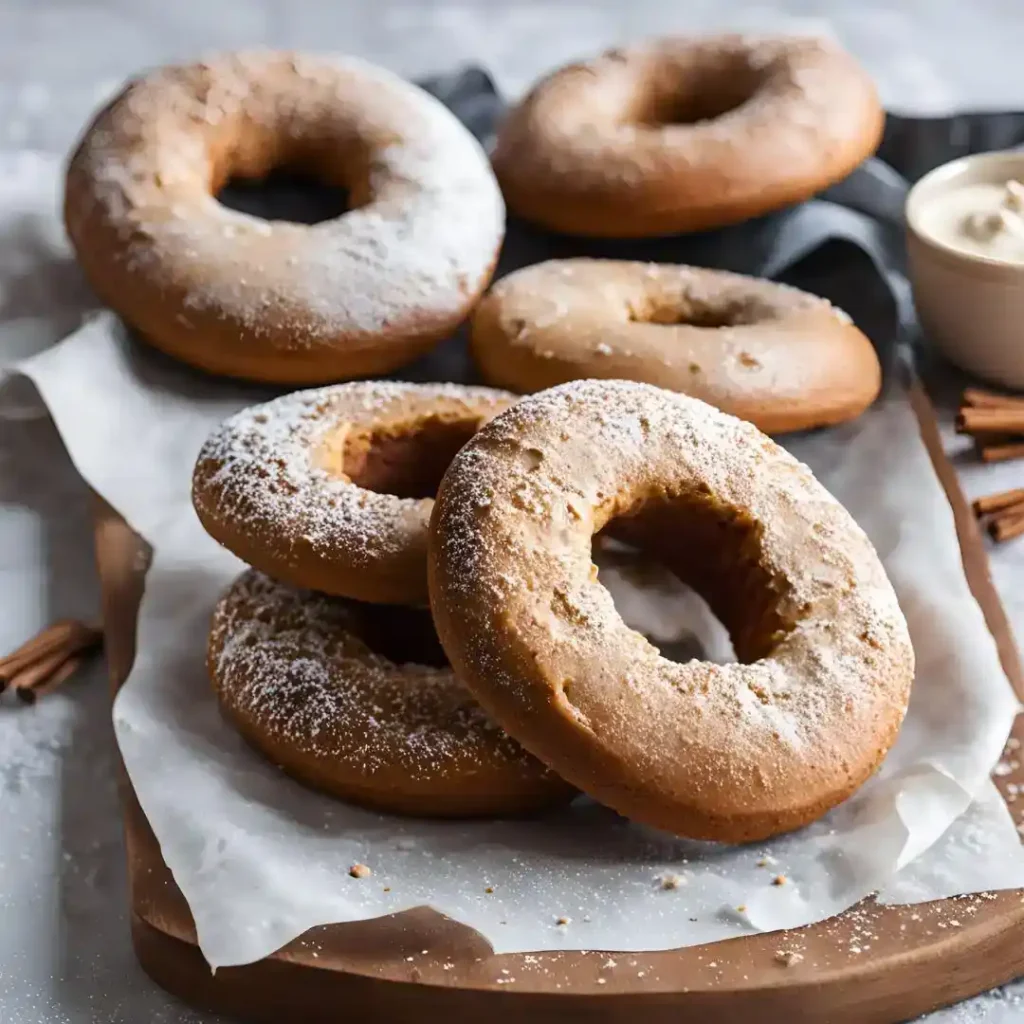
What’s The Best Way To Store Leftover Bagels To Keep Them Fresh?
To keep leftover bagels fresh, store them in an airtight plastic bag at room temperature if you plan to eat them within a day or two.
For longer storage, slice the bagels in half and freeze them in a sealed bag.
When you’re ready to eat them, just pop the frozen bagels into the toaster or oven to warm them up—they’ll taste just as good as fresh!
How To Fix Dense Bagels?
If your bagels turn out dense, it’s usually because the dough didn’t rise enough.
To fix this, make sure your yeast is active and let the dough rise until it’s doubled in size before shaping the bagels.
Another tip is to avoid overworking the dough after the first rise, as this can knock out too much air.
If your dough feels heavy or tough after kneading, it might need more time to rest and rise.
How To Fix Uneven Browning?
Uneven browning can happen if the oven temperature isn’t consistent or if the bagels aren’t positioned evenly on the baking sheet.
To fix this, make sure to preheat your oven fully before baking.
To make sure everything bakes evenly, turn the baking sheet around halfway through the baking time.
Brushing the bagels evenly with egg white before baking can also help them brown uniformly.
Why Do Gingerbread Bagels Split?
Bagels can split if the dough isn’t kneaded enough or if it’s too dry.
Another reason might be that the dough didn’t rise long enough, causing the crust to crack as it expands in the oven.
To prevent splitting, make sure the dough is well-kneaded, hydrated, and allowed to rise fully before shaping and baking.
What Makes Gingerbread Bagels Sticky?
Bagels can be sticky if the dough is too wet or if they weren’t boiled long enough before baking.
To avoid sticky bagels, make sure to use the right amount of flour and knead the dough until it’s smooth and slightly tacky, but not overly sticky.
Also, boiling the bagels helps set the crust, so they’re less likely to stick after baking.
If your bagels still feel sticky, try letting them cool completely before handling.