There are days when you don’t need fancy techniques or long ingredient lists—you need something warm, grounding, and deeply satisfying. Irish potato bread is exactly that kind of recipe.
This is the perfect everyday bread for breakfast, brunch, or alongside a cozy dinner, especially when you want homemade comfort without the stress of yeast or long rising times.
Its special magic lies in the humble potato, which keeps the bread irresistibly soft while adding quiet richness. One skillet, a few pantry staples, and suddenly you have a dish that feels like a warm hug—reliable, nostalgic, and incredibly soothing.
Take a bite and you’ll notice the gentle flavor of earthy potatoes balanced with buttery warmth, finished with a subtle toasted note from the pan.
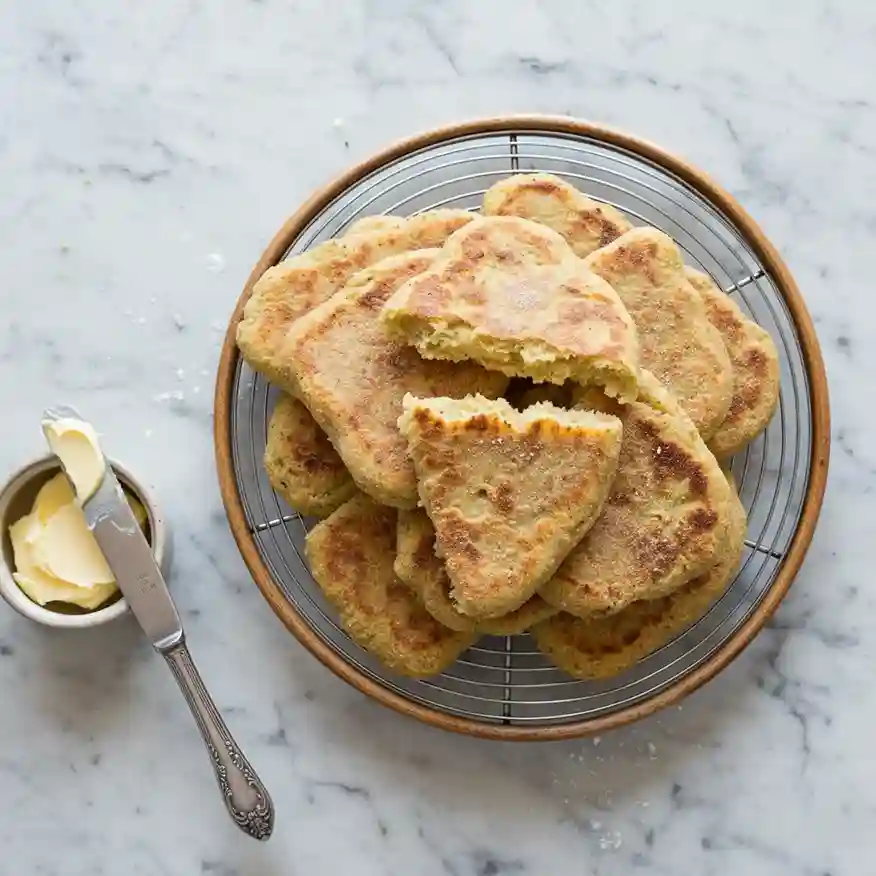
The outside develops a lightly crisp, golden crust, while the inside stays tender, moist, and almost fluffy. It’s hearty without being heavy, soft yet structured enough to split open and slather with butter.
The potatoes are the star ingredient here, doing the quiet work of transforming simple dough into something memorable and deeply comforting.
This bread comes together quickly, with no complicated steps or special equipment. Serve it warm with butter, pair it with soups and stews, or enjoy it as a simple breakfast bread.
With minimal effort and maximum reward, this recipe will become one of those dependable favorites you return to again and again—proof that comfort cooking doesn’t have to be complicated.
Table of Contents
Irish Potato Bread Recipe
Ingredients
- 2 cups mashed potatoes, completely cooled and well-drained
- 2 cups all-purpose flour, plus extra for dusting
- 1 teaspoon salt
- 1 teaspoon baking powder
- 2 tablespoons unsalted butter, melted and slightly cooled
- 2–4 tablespoons milk, as needed
- Extra flour, for shaping
Instructions
- Start by preparing the mashed potatoes. They should be smooth, dry, and completely cooled before using. Excess moisture will affect the texture of the dough, so if your potatoes seem wet, let them steam off briefly.
- In a large mixing bowl, combine the flour, salt, and baking powder. Mix thoroughly so the leavening is evenly distributed.
- Add the cooled mashed potatoes to the bowl and drizzle in the melted butter. Using a fork or your fingertips, gently work everything together until the mixture looks crumbly.
- Add the milk one tablespoon at a time, mixing gently after each addition, just until a soft dough forms. The dough should be pliable and slightly tacky but not sticky.
- Turn the dough out onto a lightly floured surface. Knead very lightly—about 30 seconds—just until smooth. Overworking will make the bread tough.
- Pat the dough into a round about ½ inch thick. Use a knife to cut it into quarters or rounds, depending on your preference.
- Heat a heavy skillet or griddle over medium heat. Lightly grease it with a small amount of butter.
- Cook the breads for 4–5 minutes per side, until golden brown with darker toasted spots and cooked through. Adjust the heat as needed to prevent burning.
- Transfer to a clean kitchen towel and keep warm while you cook the remaining pieces.
What Is Irish Potato Bread?
Irish Potato Bread is a traditional skillet bread made with mashed potatoes, flour, and a small amount of fat. You don’t use yeast, and you don’t wait for the dough to rise.
The potatoes are the key. They add moisture and softness, which is why the bread stays tender inside instead of dry or crumbly.
It’s usually cooked on a pan instead of baked, giving it a lightly crisp outside and a soft, comforting center.
You can think of it as a cross between flatbread and soda bread, but softer and more forgiving.
Why Do Potatoes Matter So Much In Irish Potato Bread?
Potatoes are what make this bread special and different from regular flatbread. They help in three important ways:
- Moisture control: potatoes hold water naturally, which keeps the bread from drying out.
- Soft texture: mashed potatoes make the inside fluffy and tender instead of dense.
- Mild flavor: potatoes add a gentle, earthy taste without overpowering the bread.
If you skip or reduce the potatoes, the bread will feel tough and bland, so measuring them correctly is important.
Which Potatoes Work Best For Irish Potato Bread?
You want potatoes that mash easily and don’t turn gluey. The best options are:
- Floury potatoes: these mash smoothly and stay light.
- Starchy potatoes: they absorb flour well and create soft dough.
Avoid waxy potatoes because they stay firm and can make the dough heavy and sticky.
Can You Use Leftover Mashed Potatoes?
Yes, you can use leftover mashed potatoes, but they must be plain. Before using them, check:
- Seasoning: skip potatoes with garlic, cheese, or herbs.
- Texture: they should not be watery or creamy.
- Temperature: always use them fully cooled.
If your leftovers contain milk or butter, reduce the added liquid in the recipe slightly to balance the dough.
Why Is My Irish Potato Bread Dough Too Sticky?
Sticky dough usually means there is too much moisture. This happens when:
- The potatoes were mashed while hot.
- The potatoes were watery.
- Too much milk was added too quickly.
To fix it, dust your work surface with flour and gently work the dough until it feels soft but manageable. Avoid adding large amounts of flour at once, or the bread will turn dry.
Why Is My Irish Potato Bread Dry Or Crumbly?
Dry bread means the dough didn’t have enough moisture or fat. Common reasons include:
- Too much flour added during kneading.
- Not enough potato in the dough.
- Overcooking on high heat.
To prevent this, always measure flour lightly and cook the bread over medium heat so it cooks through without losing moisture.
Do You Need To Knead Irish Potato Bread?
No heavy kneading is needed. You only knead lightly to bring the dough together. Overworking it will make the bread firm instead of tender. A short, gentle knead is enough to smooth the dough.
Can You Bake Irish Potato Bread Instead Of Pan-Frying?
Yes, but pan-frying is the traditional method and gives the best texture. If you bake it:
- The outside will be drier.
- You won’t get the same golden crust.
- The bread may feel more like a soft roll.
Pan cooking keeps the inside moist while creating a lightly crisp surface.
How Do You Know When Irish Potato Bread Is Fully Cooked?
You’ll know it’s ready when:
- The outside is golden with darker toasted spots.
- The bread feels firm but soft when pressed.
- The inside is cooked through with no raw dough.
If the outside browns too fast, lower the heat and cook longer.
How Should You Store Irish Potato Bread?
Irish Potato Bread is best fresh, but you can store leftovers safely. Use this method for short storage:
- Room temperature: wrap tightly and keep for up to 24 hours.
- Refrigerator: store in an airtight container for up to 3 days.
Always let the bread cool completely before storing to prevent moisture buildup.
Can You Freeze Irish Potato Bread?
Yes, Irish Potato Bread freezes very well. Follow these steps:
- Cooling: let the bread cool completely.
- Wrapping: wrap each piece tightly in plastic wrap.
- Freezing: place wrapped bread in a freezer-safe bag.
It will keep well for up to 2 months without losing texture.
How Do You Reheat Irish Potato Bread?
Reheating correctly helps bring back the soft inside and lightly crisp outside. Best reheating methods:
- Skillet: warm on low heat for a few minutes per side.
- Oven: wrap loosely in foil and heat gently.
- Toaster: works well for slices or smaller pieces.
Avoid microwaving for long periods, as it can make the bread chewy.
Can You Make Irish Potato Bread Ahead Of Time?
Yes, you can prepare it ahead with no problem. You have two good options:
- Make the dough: store covered in the refrigerator for up to 24 hours.
- Cook fully: reheat just before serving for the best texture.
Cooking fresh gives the best result, but reheated bread is still very enjoyable.
Is Irish Potato Bread Meant To Be Soft Or Crispy?
It’s meant to be both. The outside should be lightly crisp from the pan, while the inside stays soft and tender. If it’s crunchy all the way through, it’s overcooked. If it’s pale and doughy, it needs more time on the heat.

Irish Potato Bread
Ingredients
Method
- Start by preparing the mashed potatoes. They should be smooth, dry, and completely cooled before using. Excess moisture will affect the texture of the dough, so if your potatoes seem wet, let them steam off briefly.
- In a large mixing bowl, combine the flour, salt, and baking powder. Mix thoroughly so the leavening is evenly distributed.
- Add the cooled mashed potatoes to the bowl and drizzle in the melted butter. Using a fork or your fingertips, gently work everything together until the mixture looks crumbly.
- Add the milk one tablespoon at a time, mixing gently after each addition, just until a soft dough forms. The dough should be pliable and slightly tacky but not sticky.
- Turn the dough out onto a lightly floured surface. Knead very lightly—about 30 seconds—just until smooth. Overworking will make the bread tough.
- Pat the dough into a round about ½ inch thick. Use a knife to cut it into quarters or rounds, depending on your preference.
- Heat a heavy skillet or griddle over medium heat. Lightly grease it with a small amount of butter.
- Cook the breads for 4–5 minutes per side, until golden brown with darker toasted spots and cooked through. Adjust the heat as needed to prevent burning.
- Transfer to a clean kitchen towel and keep warm while you cook the remaining pieces.
You May Also Like To Check Out These Posts
- 35 Best St Patricks Day Desserts You’ll Love To Make & Eat
- 30 Tasty St Patricks Day Snacks For A Lucky Celebration
- 35 Best St Patricks Day Treats To Delight Every Guest
- The Complete Guide To Hosting A St Patricks Day Party At Home
- Lucky Leprechaun Cookies
- Traditional Irish Soda Bread
- Irish Apple Cake
- Grasshopper Pie
- Key Lime Pie
- Mint Chocolates
- Mint Chocolate Chip Cake
- Mint Chocolate Cake
- Mint Chocolate Chip Ice Cream
- Mint Chocolate Chip Frozen Yogurt
- St Patricks Day Shamrock Cupcakes
- Vanilla Shamrock Cake
- St Patricks Day Cake
- Four-Ingredient Green Smoothie
- Fresh Mint Chocolate Chip Cookies
- Pineapple Upside Down Cake
- Rainbow Ice Cream Cake
- Pistachio Pie
- Baby In Bloom Cake
- Cheesy Chicken Quesadillas
- Mint Chocolate Chip Brownies
- Dark Chocolate Mint Mousse
- Pistachio Pudding Cookies
- Shamrock Shake
- Irish Potatoes
- Honey Pistachio Ice Cream
- Corned Beef And Cabbage